Stay Safe and Calm While Waiting for a 24 Hour Locksmith Orlando
Locked out and jittery? The first five minutes after a lockout decide whether the situation escalates or stays manageable. This short guide walks through steady, experience-backed steps to stay safe and relaxed while you wait for professional help. In a neighborhood situation it's smart to have a trusted option, so if you need help quickly try checking locksmith Orlando FL services in the middle of your message and wait for their estimated arrival time.
Immediate priorities after you lock yourself out
Take a beat and slow your breathing. A calmer start helps you think clearly about options instead of making costly choices like breaking a window. Check for hazards that demand urgent attention, for example a small child or pet left inside.
Find identification now because locksmiths often request ID before unlocking a property. If you don't have ID, think about someone who can vouch for you and be ready to explain the situation. If you think you might be at risk, move to a well-lit, public area and call someone to stay with you.
Which help to call first
If anyone is in danger, call emergency services before anything else. For routine lockouts, a professional mobile locksmith will usually be the fastest, least damaging option. Always request a clear estimate that lists arrival time, labor, and potential additional costs like new keys or rekeying.
Searching for local listings like emergency locksmith Orlando often reveals who is staffed and which technicians are nearest. Avoid companies that will not provide a name Florida or a clear rate estimate before dispatching someone.
What details to give when you call
Tell the operator the precise address, whether you are on the porch, the sidewalk, or inside an unlocked backyard, and if there are any access restrictions. Mention the lock type if you know it, such as whether it's a deadbolt, smart lock, or car model and year. Ask how long the estimated wait is and whether the technician can text a photo of the vehicle or ID when they arrive.
Agree that the locksmith will present ID on arrival and check what payment forms they accept so there are no surprises. If you only have a card, confirm the technician accepts it rather than assuming.
Simple steps to make the wait easier
Move to sun or shade as needed and sip water to keep your mind steady. Call a friend or family member to talk for a few minutes, which reduces adrenaline and makes time pass faster. Ask a neighbor or building manager if a spare key exists so you can avoid a callout fee.
Small tasks like checking messages, scanning a to-do list, or reading a quick article can make the time feel productive. A small thermos, a granola bar, or calming music often changes the emotional texture of waiting.
How to verify identity and scope of work
Verify the locksmith's identity, license if applicable, and ask what tools they will use. Refuse service if the person is pushy about methods or payment and instead call another company. Have them explain whether the job will injure the lock or require replacement so you can decide on repairs later.
If the locksmith offers a cheap "special" but then upsells once they arrive, ask for a written estimate before any work begins. If a technician resists providing a written estimate, that is another reason to end the transaction.
When to accept minor damage vs when to insist on non-destructive entry
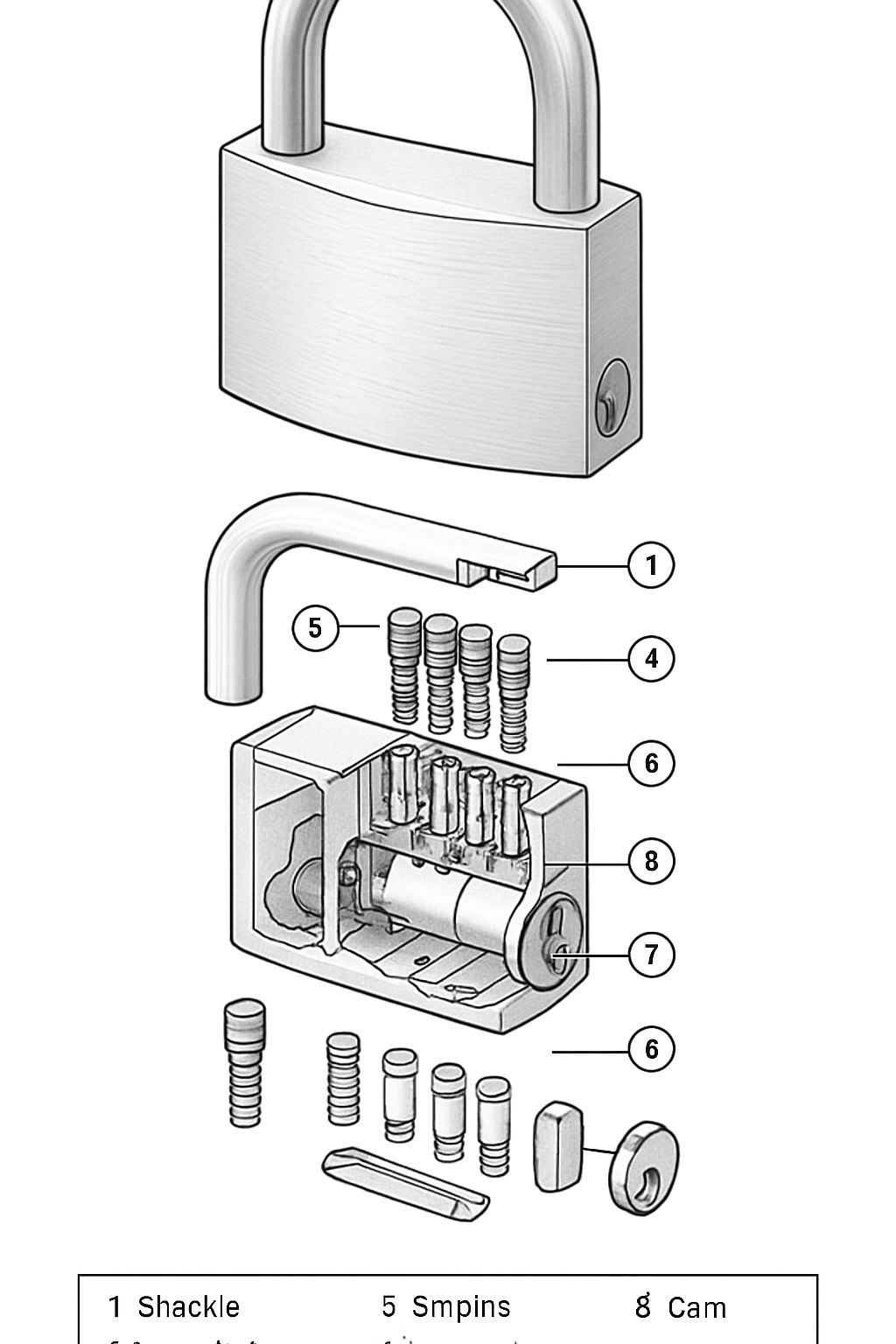
If there is an urgent need to enter and the lock would otherwise trap someone, accept methods that cause minor damage if the locksmith explains the consequences. For non-urgent situations, request non-destructive techniques first, such as lock picking or car key duplication using a slim jim for cars when appropriate. Sometimes replacing the cylinder or rekeying is cheaper in the medium term than repeatedly repairing an old mechanism.
Costs to expect and how to reduce them
Expect higher rates on weekends and late nights, and budget for a travel fee plus labor and parts. Requesting a flat-rate for a standard lockout can avoid surprises compared with an open-ended hourly charge. Scheduling service during regular hours often reduces travel surcharges and lowers the total cost.
After the door is open, follow-up tasks that protect you later
Take clear photos of the lock and the surrounding area to have a record if something fails afterward. Request written documentation of any work done, including the part numbers and warranty period. If you lost a key or suspect a breach, plan to rekey or replace locks promptly to eliminate the risk from lost keys.
A spare key with a neighbor or in a coded lockbox is cheap insurance and prevents future emergency calls. Smart locks simplify access for many, yet they need a plan for power or connectivity failures to avoid a different kind of lockout.
Real stories and common mistakes people make
I once waited with a neighbor for a technician because the company sent an older model van without tools, and that delayed the job. The lesson is to communicate the device type clearly and to ask the dispatcher whether the tech carries parts for your lock brand. DIY attempts can convert a simple unlock into a replacement job, so weigh the risk before trying forceful methods.
When the locksmith work is done, how to evaluate the outcome
Operate the lock multiple times to ensure the mechanism works under normal conditions. Confirm the technician cleaned up any debris and left tools out of sight, and ask for contact information for warranty follow-up. Compare the final invoice to the estimate and ask for clarification of unexpected charges before paying.
Small investments that pay off
Avoid leaving keys under mats or in fake rocks, because those are the first places thieves check. A keypad reduces key dependence but requires a routine for changing codes and ensuring battery health. Coordinate with building management to understand whether they keep a master key or offer after-hours access.
Keep emergency contacts handy and revisit them once a year to make sure the numbers still work. With a few simple preparations and a rational plan for the moment, lockouts become inconveniences rather than crises.